
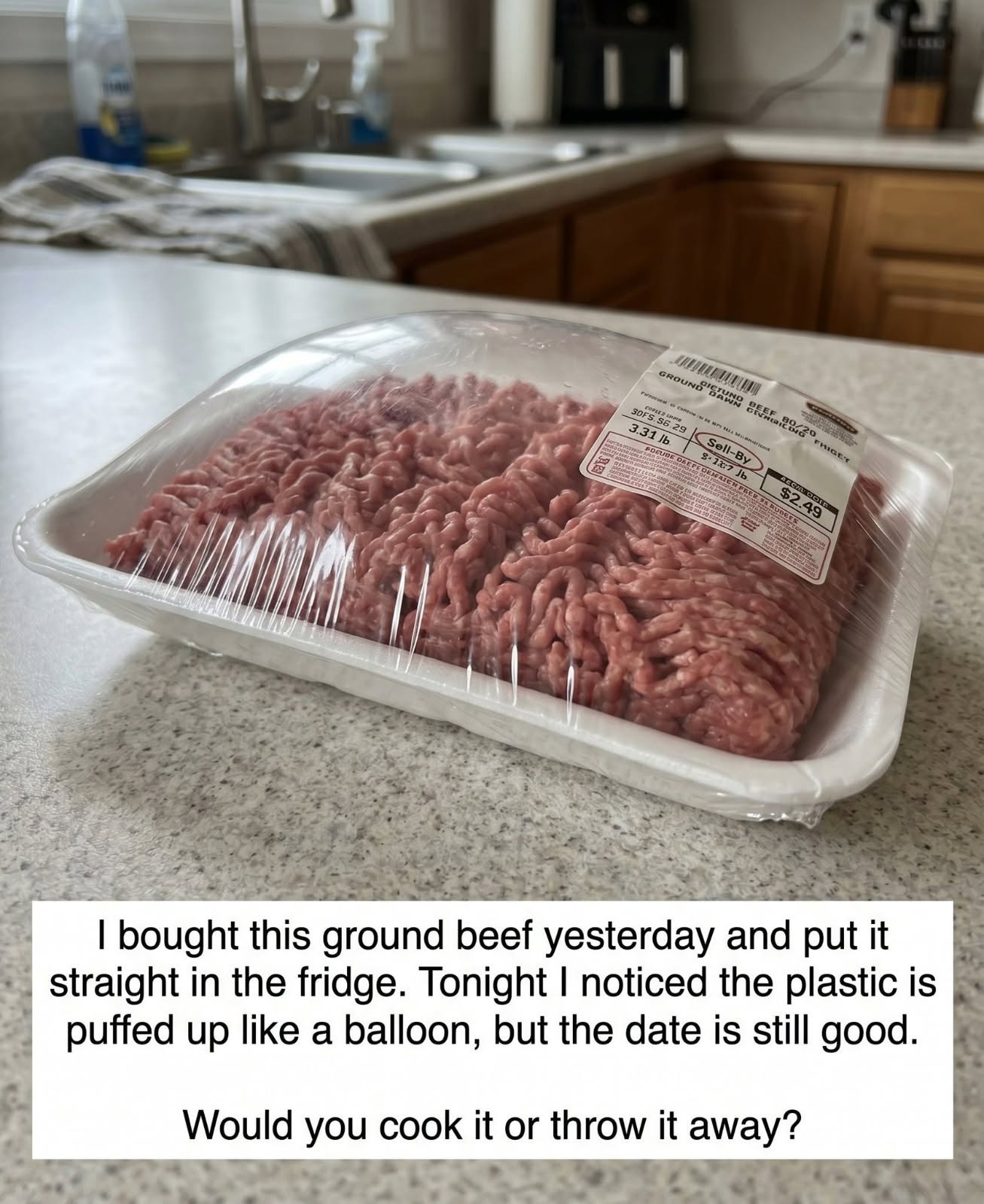
The Two Main Reasons for Bloated Packaging
Let us break this down into two categories: intentional and unintentional.
Intentional bloating is a design feature. Some products are packaged with extra air or gas to protect the contents during transportation and storage. This is a deliberate choice made by manufacturers to preserve quality.
Unintentional bloating is a problem. It usually means bacteria, yeast, or other microorganisms are producing gas inside the package as they grow and multiply. This is a sign of spoilage and potential health risk.
Understanding the difference could save you from throwing away perfectly good food—or from eating something that has gone bad.
Intentional Bloated Packaging: It Is a Feature, Not a Bug
Chips and Snacks
Ever opened a bag of chips and found it mostly filled with air? That is not a rip-off. That is cushioning.
The air inside chip bags is actually nitrogen gas, not regular air. Nitrogen acts as a protective buffer that prevents the chips from being crushed during shipping and handling. Without that extra space, you would be opening a bag of crumbs instead of crispy potato chips.
That is why chip bags are usually only about forty to fifty percent full of chips. The rest is gas—and it is doing an important job.
What you should know:
The gas is nitrogen, which does not react with the food and helps preserve freshness by displacing oxygen.
Without it, chips would arrive broken and stale.
It is not a rip-off. It is a necessary part of modern food packaging.
Bread and Baked Goods
Ever noticed that some bread packages are slightly puffed up? That is often intentional too.
Bread releases carbon dioxide as it ages, especially if it is still slightly fermenting. This gas can cause the packaging to puff up slightly. It does not necessarily mean the bread is bad—it just means it is still breathing.
When to worry: If the package is really swollen, or if there is visible mold, throw it out. Trust your senses—if it looks or smells off, err on the side of caution.
Certain Cheeses
Some cheeses are packaged with a small amount of gas to keep them fresh. This is especially common with vacuum-sealed cheeses that are then exposed to a controlled atmosphere to extend shelf life.
When to worry: If the package is newly swollen, or if the cheese has a sour smell or visible mold, it might be spoiled. Fresh cheese should smell mild and pleasant, not sharp or ammonia-like.
Unintentional Bloated Packaging: A Warning Sign
Now for the bad news.
If a package is bloated and it is not a product that typically has air inside, it is probably a sign of bacterial growth.
see to Next Page…
ADVERTISEMENT

