
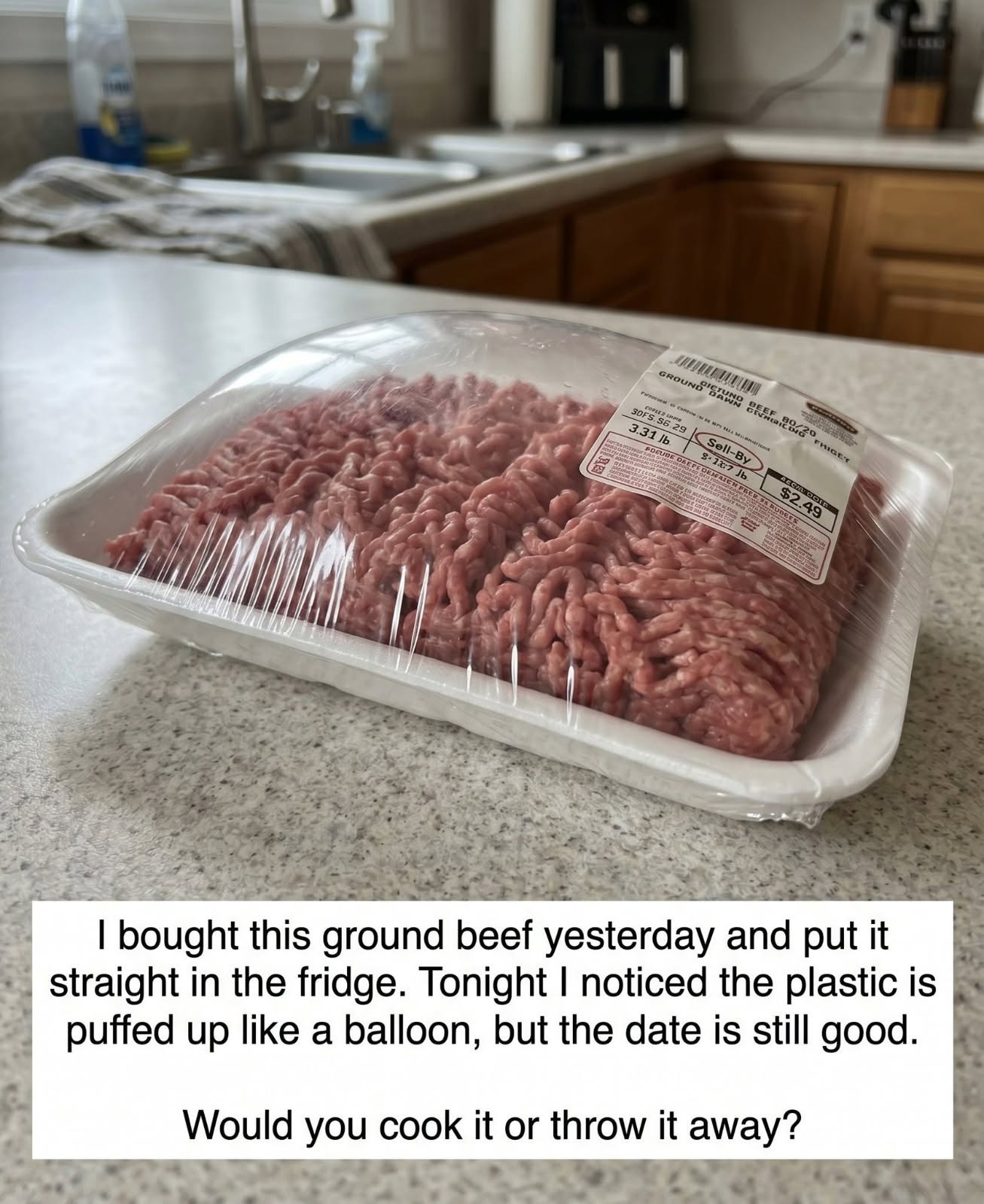
How Does It Happen?
When bacteria, yeast, or mold grow inside a package, they produce gas as a byproduct of their metabolism. This gas builds up, causing the packaging to swell from the inside.
The most common culprits include:
Clostridium botulinum: A bacteria that produces botulism toxin—a deadly poison. Botulism is rare but extremely dangerous and can be fatal if not treated promptly.
Lactobacillus: A type of bacteria that ferments sugars and produces gas. It is responsible for the bloating in spoiled dairy products and can cause sour flavors.
Yeasts: Fungi that produce carbon dioxide as they grow, often causing fermentation and gas buildup in juices and other sugary products.
Mold: Can also produce gas, though it is often visible as fuzzy patches in various colors.
Products to Watch For
Bloated packaging is a red flag for certain types of food. Pay close attention to these categories:
Canned goods: If a can is bulging, hissing when opened, or leaking, it could be contaminated with botulism. Never eat food from a bulging can. The risk is too great.
Vacuum-sealed meats: If the package is puffed up, it is likely spoiled. Vacuum-sealed meats should be tightly sealed with no air pockets. Any swelling indicates bacterial growth.
Fermented products: Some fermented foods like kimchi or sauerkraut produce gas as part of the fermentation process. Slight bloating is normal. But if the package is very swollen or the contents smell unpleasant, it might be over-fermented or spoiled.
Cheese: If a cheese package is bloated and the cheese has a sour or ammonia-like smell, it has gone bad. Fresh cheese should not produce gas.
Jarred foods: If a jar lid is bulging or the seal is broken, do not eat it. A properly sealed jar should have a concave lid that does not move when pressed.
Yogurt and dairy: If the container is puffed up, it is likely spoiled. Trust your nose—if it smells sour or unusual, toss it.
Juices and beverages: Some juices ferment and produce gas. If the container is swollen and the liquid smells sour or alcoholic, it has gone bad.
What to Do If You Find Bloated Packaging: A Simple Decision Guide
Here is a practical approach to assessing bloated packaging:
Step One: Check the Product
Is it a product that typically has air inside?
Yes: Chips, bread, some snacks. It is probably fine.
No: Canned goods, vacuum-sealed meats, cheese, dairy. Proceed to Step Two.
Step Two: Check the Expiration Date
Is it past the expiration date?
Yes: Throw it out. Better safe than sorry.
No: Proceed to Step Three.
Step Three: Check for Other Warning Signs
Odor: Does it smell sour, rotten, or unusual?
Appearance: Is there visible mold, discoloration, or texture changes?
Sound: Does the container hiss or spurt when opened?
If any of these signs are present, throw it out immediately.
Step Four: When in Doubt, Throw It Out
You do not want to mess around with food poisoning. If you are not sure, err on the side of caution. Your health is worth more than the cost of replacing the item.
see to Next Page…
ADVERTISEMENT

