
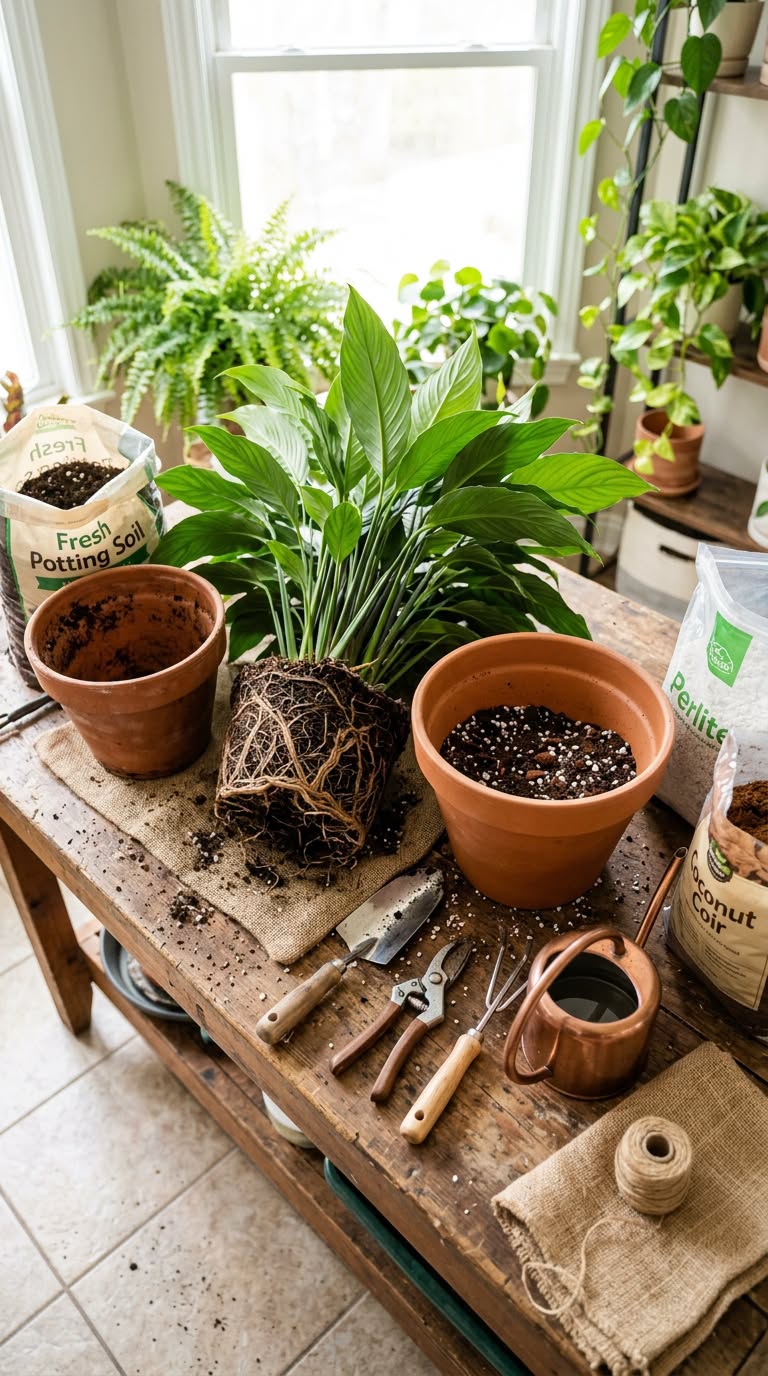
Aloe vera is a beloved succulent, admired not only for its medicinal and cosmetic benefits but also for its unique appearance. With thick, spiky leaves and a striking form, aloe vera is both functional and beautiful—making it an ideal candidate for indoor decorative planting. Placing aloe vera in a stylish container allows it to double as a natural remedy and a design element in your home.
Whether you’re a fan of minimalist decor, boho-chic accents, or rustic charm, aloe vera can fit right in. This guide will help you understand how to grow aloe vera successfully in decorative containers without compromising its health or aesthetic value.
1. Why Aloe Vera Makes a Great Indoor Plant
Aloe vera is a low-maintenance, drought-tolerant plant that thrives indoors. It stores water in its thick leaves, allowing it to survive with infrequent watering. It doesn’t demand much attention, making it ideal for beginners, busy households, or anyone who appreciates a fuss-free plant.
Beyond its low care needs, aloe vera offers medicinal benefits. The gel inside its leaves is widely used to soothe burns, skin irritations, and minor cuts. Having one within arm’s reach—on a sunny kitchen counter or living room windowsill—is as practical as it is stylish.
2. Choosing the Right Decorative Container
Decorative pots are a wonderful way to display aloe vera, but function should always come first. No matter how attractive the container is, drainage is essential. Aloe vera is highly sensitive to overwatering and will quickly develop root rot if its roots sit in soggy soil.
When selecting a decorative pot:
Look for drainage holes. If your chosen pot doesn’t have any, consider drilling holes or using it as a cachepot (a cover for a plain inner pot).
Use a nursery pot inside. Place your aloe vera in a plastic or terracotta pot with proper drainage, then tuck it inside the decorative container. This allows you to remove it easily for watering.
Choose containers made of ceramic, terracotta, or concrete for a sturdy, modern look. Woven baskets or metal tins add a rustic touch but should be used only as outer covers, not direct planting containers, unless modified for drainage.
3. Selecting Soil for Decorative Planters
Since many decorative pots hold moisture longer than standard pots, the soil choice is critical. Use a well-draining succulent or cactus mix to ensure the plant doesn’t stay overly wet. You can also make your own blend by combining:
2 parts regular potting soil
1 part coarse sand or perlite
1 part pumice or gravel
This combination promotes fast drainage while providing enough support for the plant’s roots.
Avoid using standard potting soil alone—it retains too much moisture and can lead to root problems, especially in enclosed or non-breathable containers.
see to Next Page…
ADVERTISEMENT

