
❓ Frequently Asked Questions
Q: Are water caltrops the same as Chinese water chestnuts?
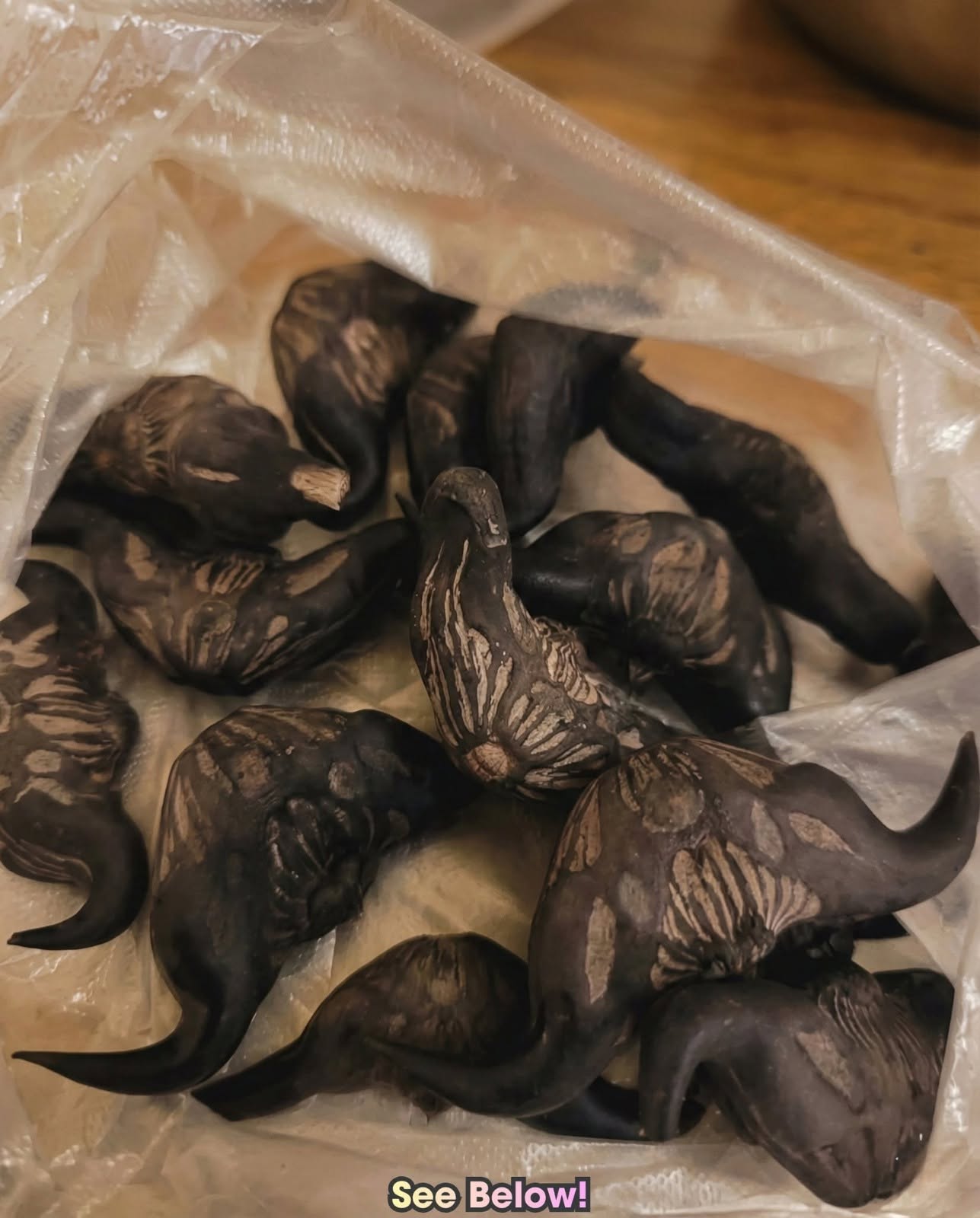
A: No. They’re different plants. Chinese water chestnuts (Eleocharis dulcis) are crisp, juicy tubers eaten raw or cooked. Water caltrops (Trapa species) are starchy seeds with hard shells that must be cooked or roasted.
Q: Where can I buy water caltrops?
A: In Asian grocery stores (especially Indian, Chinese, or Southeast Asian markets), online specialty food retailers, or from local growers in regions where they’re cultivated.
Q: How do I store fresh water caltrops?
A: Store unshelled caltrops in a cool, dry place for up to 2 weeks. Refrigerate to extend shelf life. Once shelled, store kernels in an airtight container in the refrigerator for up to 1 week or freeze for longer storage.
Q: Can I eat them raw?
A: Yes, the white kernel can be eaten raw after removing the hard shell. However, cooking or roasting improves flavor, texture, and digestibility.
Q: Are they nutritious?
A: Yes! Water caltrops are:
High in carbohydrates and fiber
Good source of protein
Rich in vitamins (B-complex, especially B6)
Contains minerals (potassium, phosphorus, magnesium)
Low in fat
Gluten-free
Q: Why are they illegal in some places?
A: In North America and some other regions, water caltrops are invasive and can severely damage aquatic ecosystems. Check your local regulations before harvesting, growing, or transporting them.
Q: Can I grow them in my pond?
A: Only if they’re legal in your area. In many places, cultivating water caltrops is prohibited due to invasive potential. Always check local regulations first.
Q: What do they taste like?
A: Mild, slightly sweet, nutty flavor with a starchy texture similar to chestnuts or potatoes. Roasting enhances the nutty flavor.
Q: How long do they take to cook?
A: Boiling: 15-20 minutes (in shell), 10-15 minutes (shelled kernels). Roasting: 20-25 minutes at 375°F (190°C).
Q: Can I use them in desserts?
A: Absolutely! In many Asian cultures, boiled water caltrops are sweetened with sugar or honey and served as desserts or snacks.
💙 A Final Thought
If your neighbor handed you a bag of mysterious, horned pods with a smile and a shrug, they weren’t just giving you food.
They were sharing:
A piece of their culture
A taste of tradition
An invitation to try something new
A gesture of community and generosity
That’s the beauty of neighborly food exchanges. They’re not just about abundance—they’re about connection.
So crack open those water caltrops. Roast them. Boil them. Grind them into flour. Ask your neighbor how their family prepares them. Share a meal. Trade recipes.
Because sometimes the most meaningful gifts come in unmarked bags, with no instructions, just a simple act of generosity that says:
“We have enough. Let’s share.”
And in that sharing, we discover not just new foods, but new connections, new traditions, and new reasons to appreciate the people who live just next door.
Have you ever received a mysterious food gift from a neighbor? What was it, and how did you prepare it? Share your stories and recipes respectfully in the comments below.
ADVERTISEMENT

