
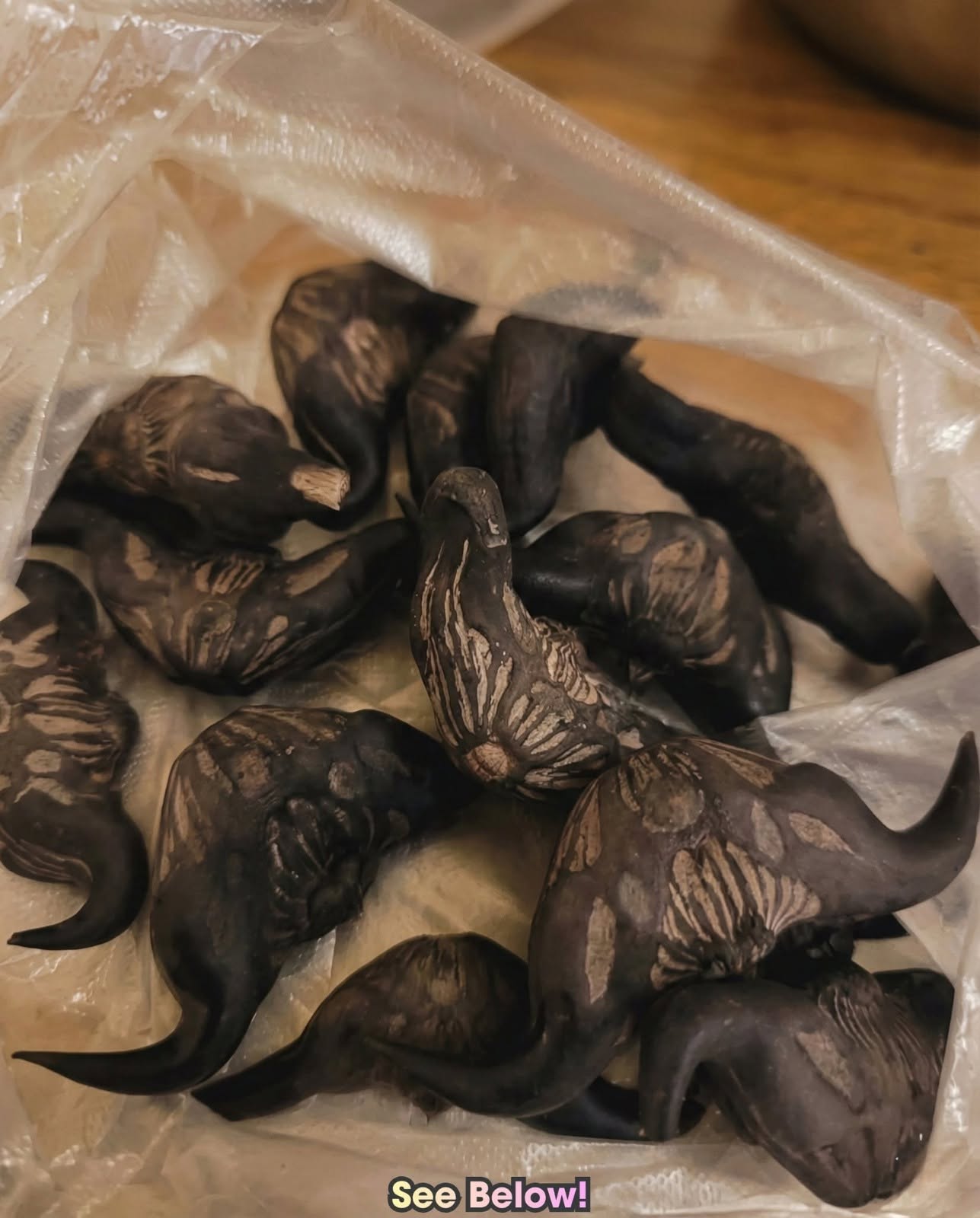
What Are Water Caltrops?
Feature
Description
Scientific name
Trapa natans (European water caltrop) or Trapa bicornis (Asian water caltrop)
Appearance
Hard, horned shell with 2-4 sharp spines; dark brown or black when mature
Edible part
White, starchy kernel inside the hard shell
Habitat
Freshwater ponds, lakes, slow-moving rivers
Harvest season
Late summer to early fall
Taste
Mild, slightly sweet, nutty; similar to water chestnuts or chestnuts
Why the Confusing Names?
Water chestnut: Not to be confused with the Chinese water chestnut (Eleocharis dulcis), which is a different plant entirely
Buffalo nut: Named for the horned appearance resembling buffalo horns
Devil pod: The sharp spines can be intimidating
Singhara nut: Common name in South Asian countries (India, Bangladesh)
🍽️ How to Eat Water Caltrops
Step 1: Cracking the Shell
Water caltrops have an extremely hard outer shell that must be removed before eating.
Method:
Boil first (recommended): Boil for 15-20 minutes to soften the shell slightly
Cool completely: Let them cool enough to handle
Crack carefully: Use a nutcracker, hammer, or heavy knife to crack the shell
Remove the kernel: Extract the white, starchy interior
Peel the thin skin: Remove any thin brown skin covering the white kernel
⚠️ Safety note: The shells have sharp spines. Handle with care, use gloves if needed, and keep away from children and pets.
Step 2: Preparation Methods
Method
How to Do It
Best For
Raw
Eat the white kernel raw after removing shell
Snacking; mild, slightly sweet flavor
Boiled
Boil kernels for 10-15 minutes until tender
Soft, starchy texture; similar to boiled chestnuts
Roasted
Roast at 375°F (190°C) for 20-25 minutes
Nutty, toasted flavor; crispy exterior
Steamed
Steam for 15-20 minutes
Retains nutrients; soft texture
Ground into flour
Dry completely, then grind into fine powder
Baking, thickening soups, making noodles
Step 3: Culinary Uses
In Asian Cuisine:
Chinese: Added to stir-fries, soups, and desserts; valued for crunchy texture
Indian (Singhara): Used in curries, snacks, and fasting foods (vrat); made into flour for breads and sweets
Japanese: Eaten boiled or roasted as a snack; added to rice dishes
Korean: Used in traditional desserts and teas
Popular Preparations:
✅ Roasted snack: Salt and roast for a healthy, protein-rich snack
✅ Soup thickener: Ground kernels add body to soups and stews
✅ Desserts: Boiled and sweetened with sugar or honey
✅ Flour: Gluten-free flour for baking breads, pancakes, or sweets
✅ Salads: Boiled and diced for texture and nutrition
For Complete Cooking STEPS Please Head On Over To Next Page Or Open button (>) and don’t forget to SHARE with your Facebook friends
ADVERTISEMENT

