
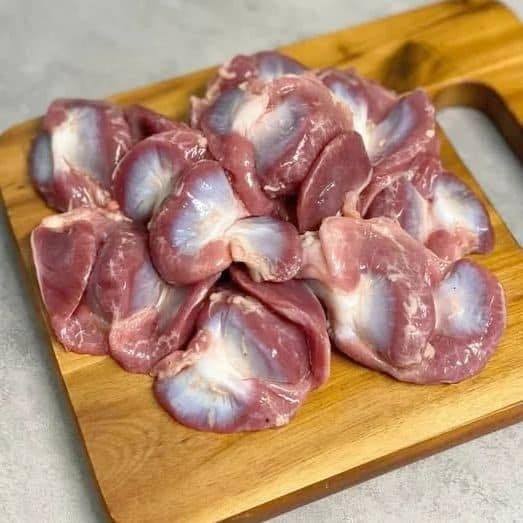
Chicken gizzards may not be the most mainstream part of the poultry, but they are a hidden gem in the culinary world. Packed with nutrients, rich in flavor, and incredibly versatile, gizzards offer a unique alternative to traditional cuts of meat. If you’ve never considered cooking with them, now is the perfect time to explore the myriad benefits and delicious recipes that showcase these often-overlooked morsels. Let’s dive into why chicken gizzards deserve a place on your dinner table.
Introduction
In many cultures around the world, chicken gizzards are a beloved delicacy, celebrated for their rich flavor and satisfying texture. Often relegated to the sidelines in favor of more popular cuts like breasts and thighs, gizzards are a nutrient-dense option that can elevate your meals. Not only are they budget-friendly, but they also offer a variety of cooking possibilities that can cater to any palate. Whether you’re seeking a hearty stew or a crispy snack, chicken gizzards can deliver. Let’s explore the nutritional benefits, cooking methods, and creative recipe ideas that will make you fall in love with this underrated ingredient.
Nutritional Benefits of Chicken Gizzards
A Nutrient-Dense Powerhouse
Chicken gizzards are packed with essential nutrients that make them an excellent addition to your diet:
High-Quality Protein: A 3.5-ounce serving of chicken gizzards contains about 20 grams of protein, making them a fantastic choice for muscle repair and overall health.
Rich in Iron: These gizzards are a great source of heme iron, which helps prevent anemia and boosts energy levels, making them ideal for those with active lifestyles.
Low in Fat: Compared to other cuts of meat, gizzards are lean and low in saturated fat, making them a heart-healthy choice.
Packed with Vitamins: They are loaded with B vitamins like B12 and niacin, which support brain function, metabolism, and overall vitality.
Good for Gut Health: The chewy texture of gizzards stimulates digestion, while the nutrients support overall gut health.
Why You’ll Love Eating Chicken Gizzards
1. Budget-Friendly
Chicken gizzards are often inexpensive, offering an affordable way to diversify your meals without breaking the bank. This makes them a great option for families or anyone looking to eat well on a budget.
2. Flavorful & Versatile
From crispy fried gizzards to slow-cooked stews, they adapt beautifully to various cuisines and cooking methods. Their unique texture allows them to absorb flavors, making them perfect for marinades and spices.
3. Eco-Conscious Choice
Using all parts of the chicken reduces food waste and honors nose-to-tail eating practices. By incorporating gizzards into your meals, you contribute to a more sustainable food system.
4. Satisfying Texture
With their chewy, meaty bite, gizzards provide a unique alternative to traditional cuts of chicken. They add a delightful contrast in texture to dishes, enhancing the overall eating experience.
How to Cook Chicken Gizzards
Basic Preparation Tips
Clean Them: Rinse the gizzards thoroughly under cold water and trim off any excess fat or connective tissue to prepare them for cooking.
Tenderize: Simmer gizzards in broth or water for 1-2 hours to soften them before frying, grilling, or adding to dishes. This step is crucial for achieving the perfect texture.
Recipe Ideas
1. Crispy Fried Chicken Gizzards
Ingredients:
Chicken gizzards
Buttermilk
Flour
Spices (paprika, garlic powder, cayenne)
Oil for frying
Method:
Soak the gizzards in buttermilk overnight to enhance tenderness. Coat them in seasoned flour and deep-fry until golden and crispy. Serve with dipping sauces like ranch or hot sauce for a flavorful treat.
2. Chicken Gizzard Stew
Ingredients:
see next page
ADVERTISEMENT

