
Important Considerations
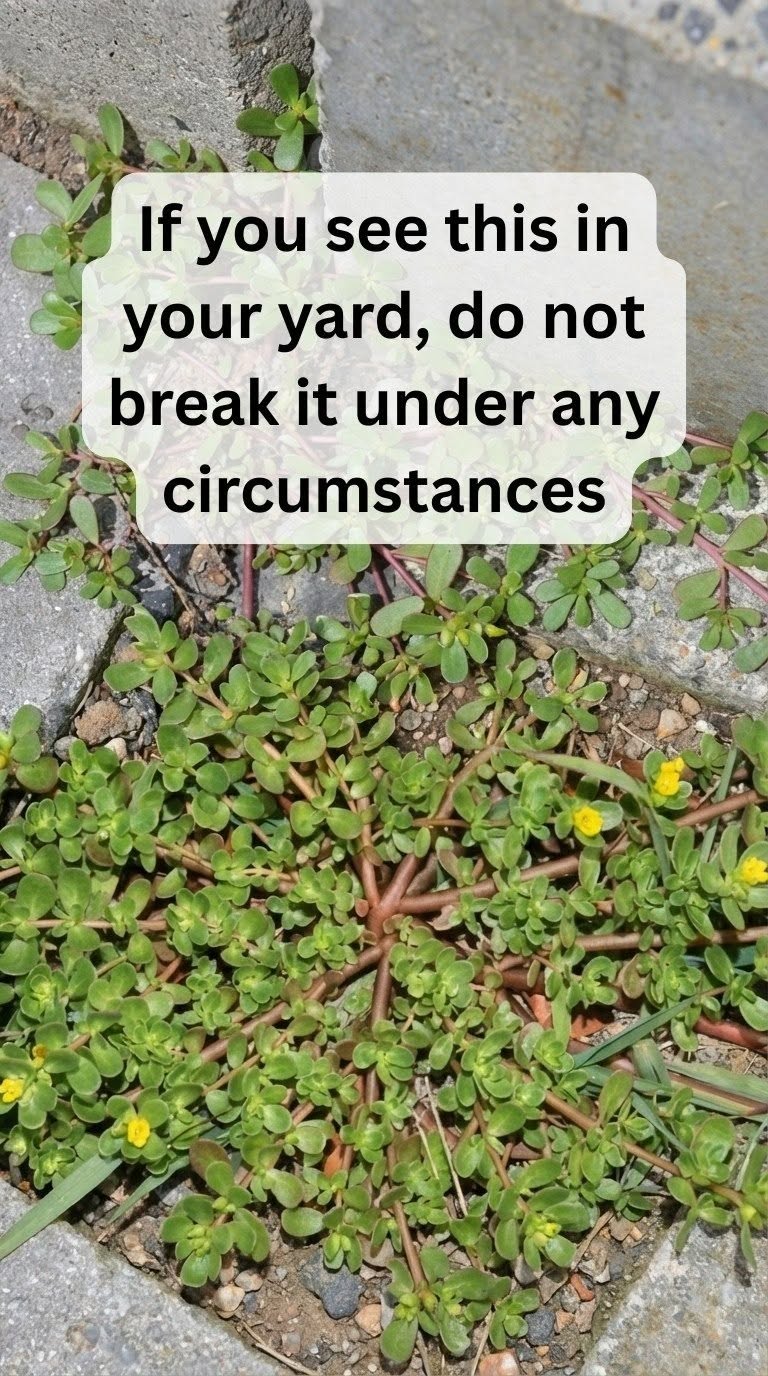
Identify correctly: True purslane has smooth, often reddish stems, teardrop-shaped leaves that grow in tight clusters, and a distinctly succulent texture.
Avoid toxic look-alikes: Do not confuse it with spurge, which exudes a milky sap when broken and has leaves that grow in opposite pairs. Spurge is toxic and should never be consumed.
Oxalate awareness: Like spinach and Swiss chard, purslane contains oxalates. Individuals prone to kidney stones should enjoy it in moderation.
Harvest responsibly: Only pick from areas free of pesticides, herbicides, or pet waste, and wash thoroughly before eating.
Final Thought
Purslane isn’t invading your garden—it’s offering a gift. In a world that imports “superfoods” from distant shelves, here’s one growing freely at your feet: resilient, nutrient-rich, and deeply rooted in culinary tradition.
So the next time you spot its familiar succulent leaves, don’t reach for the hoe. Reach for a colander, and taste the quiet wisdom of the earth.
ADVERTISEMENT

